When I first started my mentorship with Pitney Bowes Smallbiz Mentorship Contest winner Julie Wiley, I knew it would be a challenge. Here was a woman with years of entrepreneurial experience moving from a full-time job to a home-based, online business.
Julie had been profitably selling on eBay since 2002 on the side, so a jump to a full ecommerce business was not a big stretch. When deciding about her business plan in 2008, she wanted to select a theme that was fairly recession proof. She reasoned that people were always getting married so she named her eBay store I Do Bridal and Gifts.
She also wanted her business to be unique in the marketplace so she widened her product offerings. Tapping her creative side, she began making varied custom items – such as canvas wall décor, glassware and creative bachelorette favors. These items not only build her bottom line, but require less inventory investment. Smart move.
Thinking further into the bridal idea, Julie came upon the thought that remarriage is almost as popular as first-time marriages, so she felt that second-time brides might enjoy a place of their own. She named her new website Second I Do’s. Despite doing all that seemed right, she was struggling to turn a profit.
We dug in, and together we addressed many of the issues that face small businesses. Here’s what we changed:
- Mobile–izing the Website. The first thing I did was to check the Second I Do’s website. Although it was chock full of great merchandise, the layout was dated. Although the host told Julie her site was optimized for mobile. It clearly was not. We negotiated for a new template, but the template that was offered up was incredibly basic (but could be seen on mobile). After checking the latest from different providers, we selected a professional Shopify ecommerce website which offered contemporary templates and excellent mobile conversion. This also cut down Julie’s monthly expenses. The new version of the SecondIDos.com website will be live on Shopify by December 1st.
- Getting Centered. They are numerous popular ecommerce portals and Julie was trying hard to do a good job on many of them. It’s a lot of work to keep up to date on changes and relisting and listing the same merchandise on many sites. We looked at her monthly sales on each platform and evaluated the ROI. We narrowed her alternative selling platforms to the ones which performed best: eBay, Etsy and Artfire.
- Sharpening Keywords and SEO. When you have a lot of merchandise up for sale online, the mere act of listing many items makes it easy to let item titles get stale. I went over about a hundred of Julie’s eBay items and made suggestions on new titles based on keywords. In ecommerce, keywords are king. They are the SEO for your items for sale. I recommended she be sure to use words that fully describe the items and fill the entire permissible title space. We also went through and freshened up listing descriptions to answer any question a prospective customer might have.
We visited Google Analytics and checked visits, time on site, average pages viewed and bounce rates (how many people leave your site without visiting other pages). We discussed the factors that needed to be improved. Moving her main site to Shopify, with its open layout, should handily increase sales.
- Cash Flow. Many ecommerce businesses get weighed down in inventory. Unless the inventory is evergreen (and fashion rarely is), it’s time to slash prices and move merchandise. We also looked at monthly costs related to websites, subscriptions and payment providers and compared these to current options. We managed to pare down her monthly output significantly by using many of the lower priced and often free services.
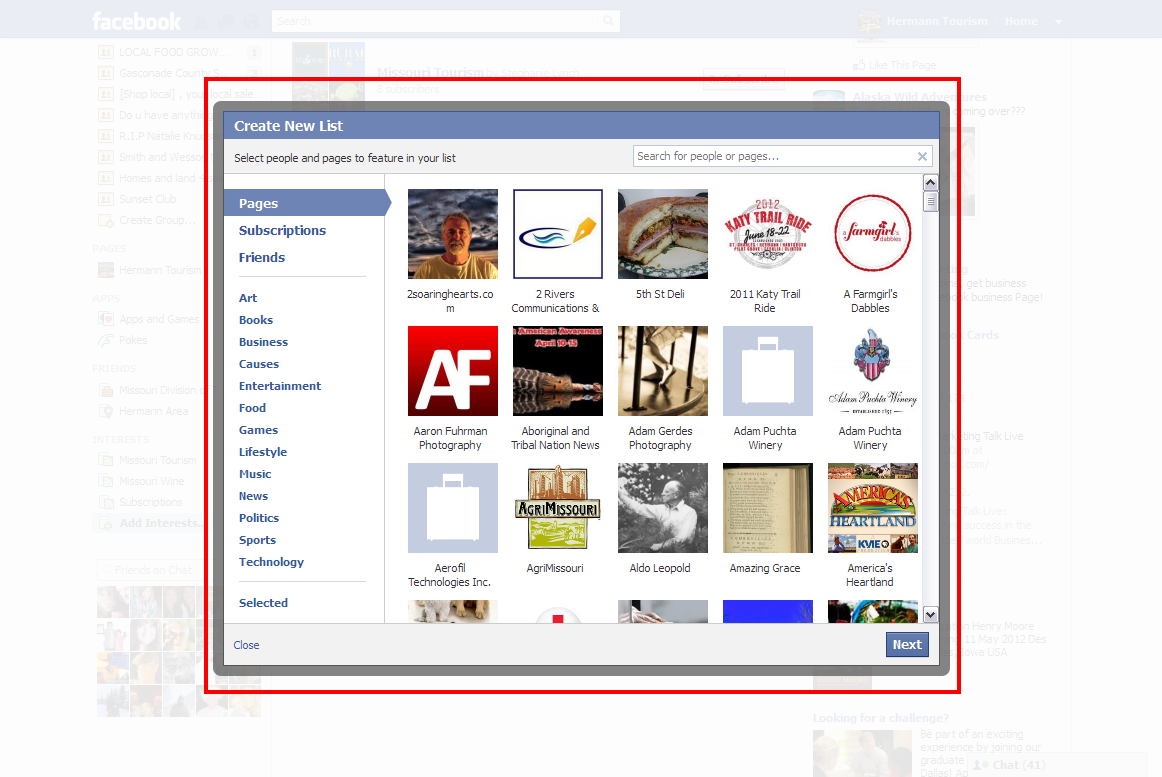
For example, there was a paid store app on the Second I Do’s Facebook page, so we switched from that to Auction Items from eSoftie, a free solution that allowed Julie to send her eBay items to a Facebook store. Setup was simple and took only a few minutes for the entire inventory to populate.
- Social Media Marketing. We went over the best practices that I lay out in my book Social Media Commerce For Dummies and gave her tips on how to better engage and build a community of customers.
Julie had a nominal presence on most of the social sites. Since social media seems to be everywhere these days, we examined the demographics and decided in which sites Julie would put the most effort – and agreed to focus only on those. We also set up Google Alerts so she could monitor mentions of her brand and industry on the web and take best advantage of sales opportunities (as well as to derive content for sharing).
Setting up a social media plan can take a while and generally done after the ecommerce platforms are mostly complete. So it might be a while before Julie’s Twitter feed ramps up. I suggested Julie use Buffer to better organize the timing, so as not to send out tweets and posts in rapid fire fashion, leaving room for responding and connecting.
In the three months I worked with Julie, we covered more than I can possibly list here (I can’t give away all her secrets)! In doing so, I was reminded that mentoring is a two-way street; a partnership. When mentoring, you always gain a new point of view on many things. A recent post of Julie’s on Facebook signaled to me that we’d been successful:
“I have never been so busy working from home. Part of it is due to my mentor, Marsha Collier who has given me many “tools” I can use to become a better ecommerce business. Unfortunately, with the new tools comes time spent learning and utilizing them and when you are trying to sell to generate income, it can seem like these tools take away from your selling. I am learning that in order to be successful at selling, I need to have the proper foundation laid. Thanks, Marsha. I know next year my business will be positioned so much better for success!”
Thank you Julie. It was a great experience for me as well!
This article originally appeared on the Pitney Bowes blog